

Explore, learn, and grow with Ecocane
Welcome to our News Blog, your window into the world of sustainable living, Chinese traditions, and the latest from Ecocane. Dive into our stories and discover more.
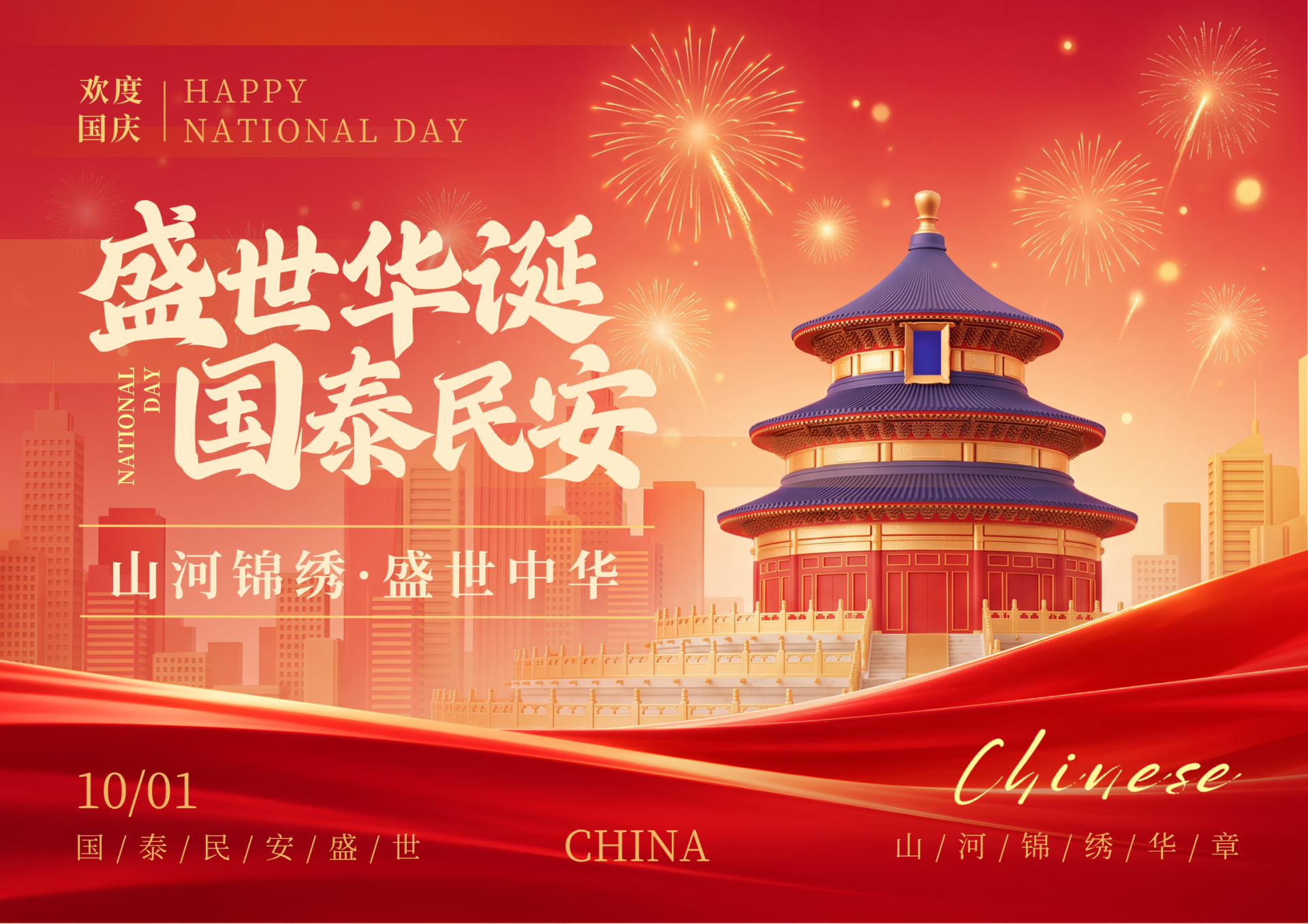
National Day
National Day , officially the National Day of the People's Republic of China (中华人民共和国国庆节), is a public holiday in China celebrated annually on 1 October as the national day of the People's Republic of China, commemorating Mao Zedong's formal proclamation of the establishment of the People's Republic of China on 1 October 1949. The Chinese Communist Party victory in the Chinese Civil War resulted in the People's Republic of China succeeding the Republic of China's rule over mainland China, leaving the Republic of China only in control of Taiwan and its adjacent islands.
National Day marks the start of a Golden Week, a weeklong public holiday.
The day is celebrated throughout mainland China, Hong Kong, and Macau with a variety of government-organized festivities, including fireworks and concerts, as well as sports events and cultural events. Public places, such as Tiananmen Square in Beijing, are decorated in a festive theme. Portraits of revered leaders, such as Mao Zedong, are publicly displayed.[26] The holiday is also celebrated by many overseas Chinese.
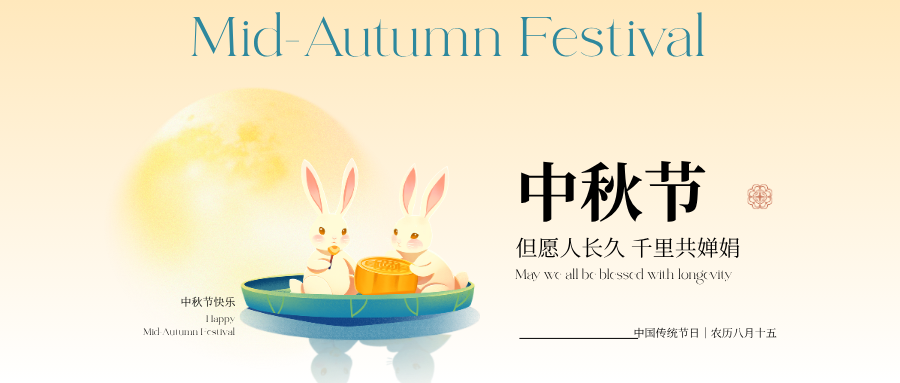
Mid-Autumn Festival
The Mid-Autumn Festival, also known as the Moon Festival or Mooncake Festival, is a harvest festival celebrated in Chinese culture. It occurs on the 15th day of the 8th month of the Chinese lunisolar calendar and can fall between 7 September and 8 October (inclusive) of the Gregorian calendar. On this day, the Chinese believe that the moon is at its fullest and brightest, coinciding with the time of harvest in the middle of autumn.
During the festival, lanterns of all sizes and shapes – symbolizing beacons that light the path toward prosperity and good fortune for the people – are carried and displayed. Mooncakes, a rich pastry typically filled with sweet-bean or lotus-seed paste, are eaten during this festival. The Mid-Autumn Festival is based on the legend of Chang'e, the Moon goddess in Chinese mythology.
White Dew
The Origin of the Name: As the weather turns cooler, the temperature difference between day and night becomes significant. When night falls, water vapor in the air condenses into white tiny water drops on grass and trees. When the sun rises, these drops shine brightly, looking like crystal-clear white jade. That’s why it’s called "White Dew."
The Turning Point of Climate: White Dew is a crucial turning point. It signals the end of the hot summer. The breeze becomes refreshing, and the scorching heat fades away. As a Chinese saying goes, "When White Dew arrives, never expose your skin to the air," reminding people to wear longer sleeves to avoid catching a cold.
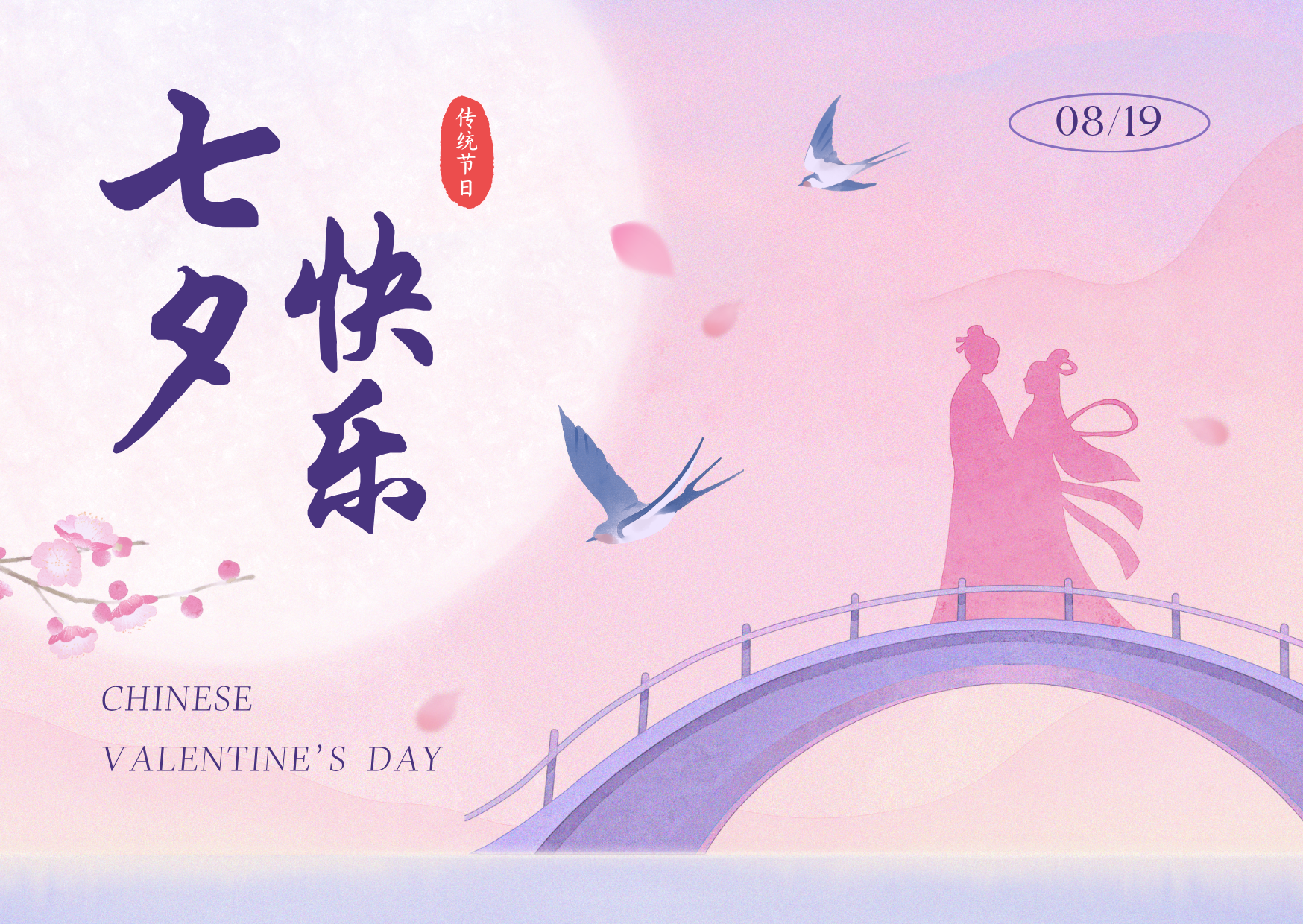
Chinese Valentine's Day
Chinese Valentine's Day, known as the Qixi Festival (七夕节), falls on the seventh day of the seventh lunar month. In 2026, it is celebrated on Wednesday, August 19. It originates from the romantic myth of the cowherd (Niulang) and the weaver girl (Zhinü), who are allowed to reunite once a year across the Milky Way on a bridge of magpies
A celebration of romantic love, the festival is often described as the traditional Chinese equivalent of Valentine's Day.The festival is derived from Chinese mythology: people celebrate the romantic legend of two lovers, Zhinü and Niulang, who were the weaver girl and the cowherd, respectively. The tale of The Cowherd and the Weaver Girl has been celebrated in the Qixi Festival since the Han dynasty. The earliest-known reference to this famous myth dates back to more than 2,600 years ago, which was told in a poem from the Classic of Poetry.
The festival has variously been called the Double Seventh Festival, the Chinese Valentine's Day, the Night of Sevens or the Magpie Festival
Beginning of Autumn
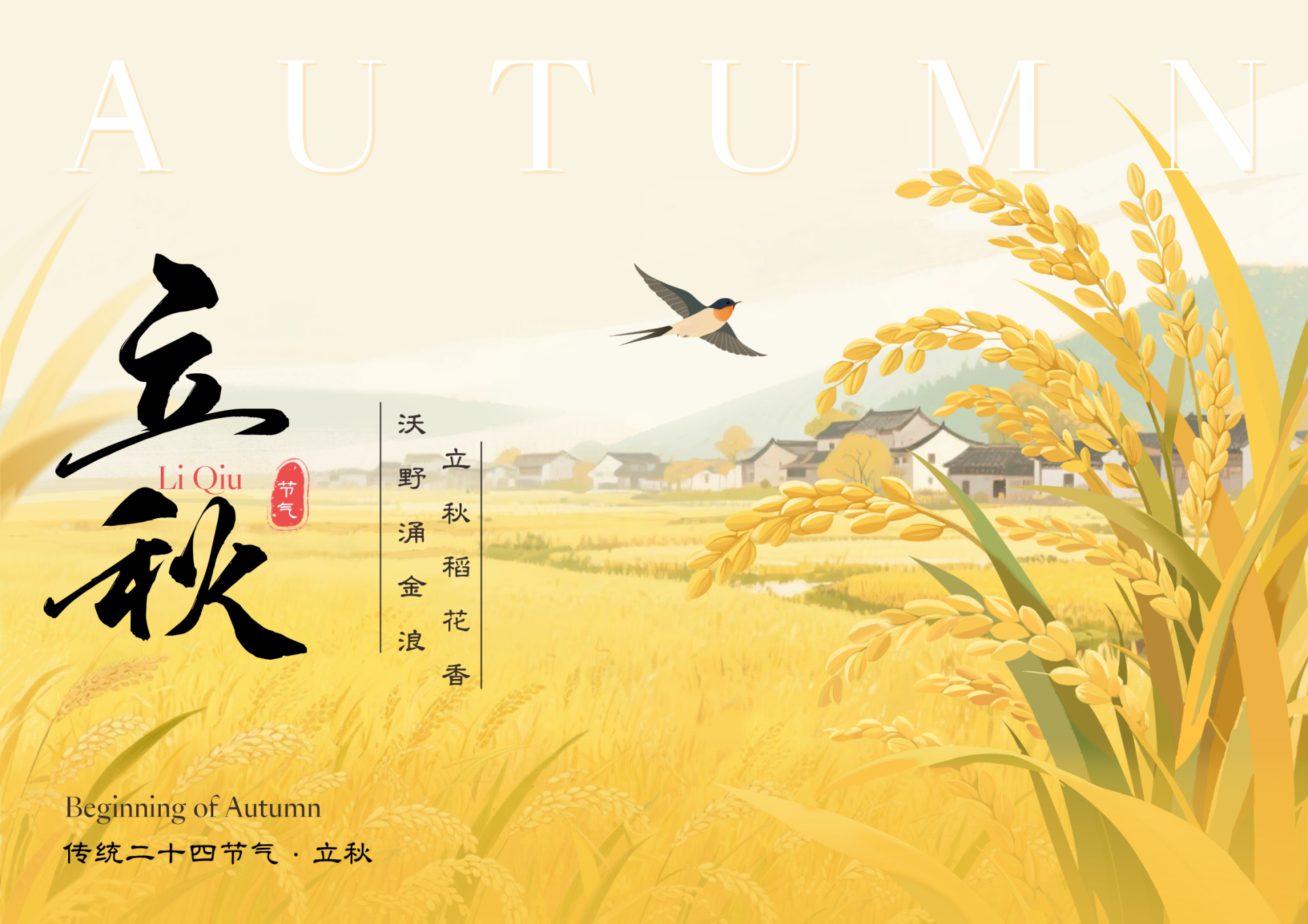
The traditional Chinese calendar divides a year into 24 solar terms. Lìqiū (pīnyīn), literally "start of autumn") is the 13th solar term.
It begins when the Sun reaches the celestial longitude of 135° and ends when it reaches the longitude of 150°.
It more often refers in particular to the day when the Sun is exactly at the celestial longitude of 135°, which in the Gregorian calendar is around August 7.
This year, it falls on August 7
Signifies the transition from summer to autumn, meaning crops are ready to be harvested
Insights into sustainable materials
Stay informed with the latest news and developments in the world of sustainable wood and bamboo raw materials. Learn about their origins, eco-friendly processing, and how they contribute to a greener planet, helping you make informed choices.

Connect with Ecocane
Our blog is designed for everyone interested in eco-friendly living and learning more about China. Whether you're new to sustainability or an expert, our weekly posts will provide fresh insights and keep you connected with our mission and products. We aim to teach, inspire, and grow our community.